

Currently Empty: $0.00
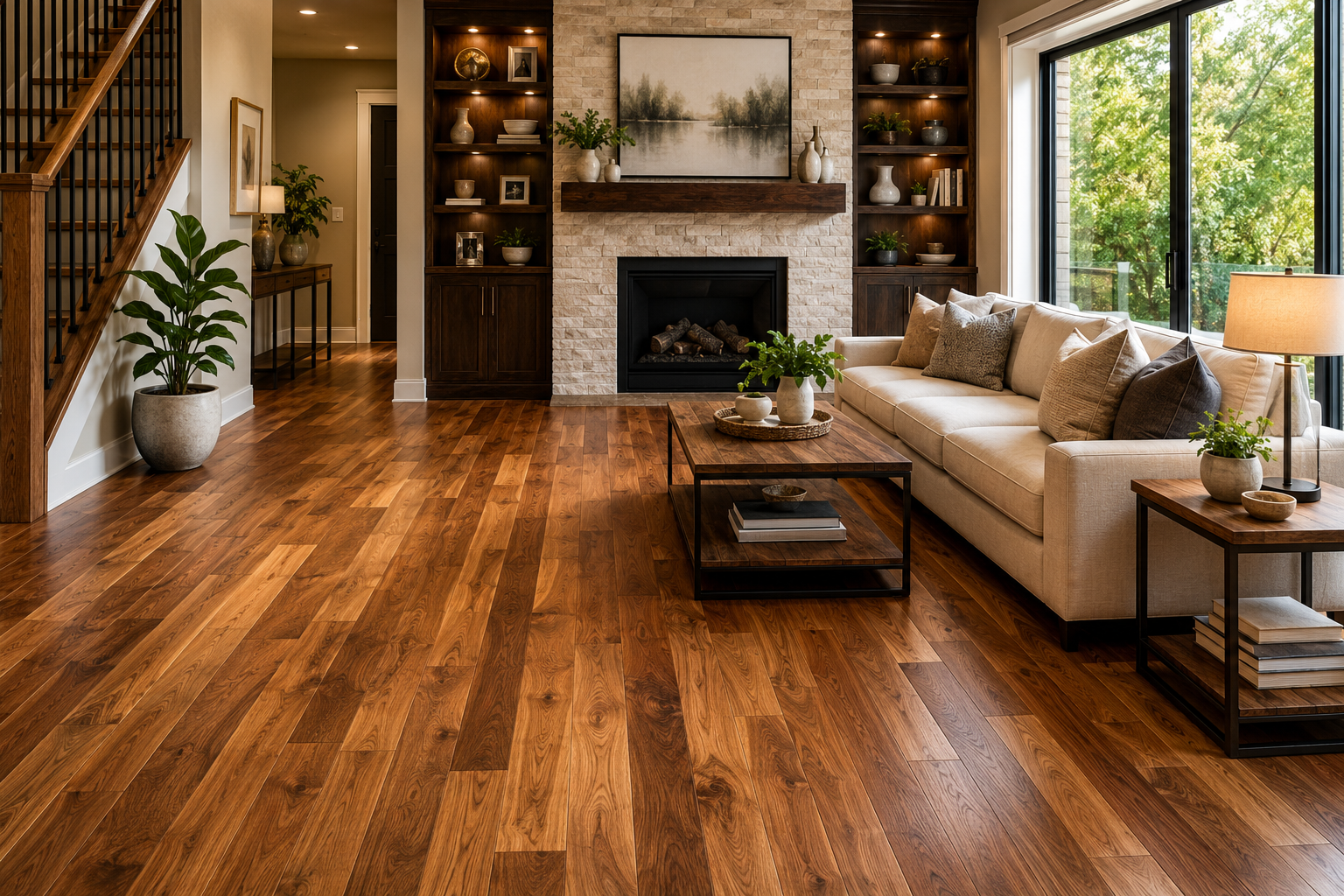
Complete Guide to Hardwood Flooring: Types, Benefits, and Uses
Hardwood flooring remains one of the most popular flooring choices for homeowners and commercial property owners. Its natural beauty, durability, and long-term value make it a preferred option for various interior spaces. Whether you’re renovating a single room or upgrading an entire property, understanding hardwood flooring can help you make the right investment.
What Is Hardwood Flooring?
Hardwood flooring is made from natural timber harvested from trees such as oak, maple, walnut, cherry, and hickory. Each plank showcases unique grain patterns, textures, and color variations that add character to any space. Hardwood floors can be installed in living rooms, bedrooms, offices, dining areas, and many commercial environments.
Types of Hardwood Flooring
Solid Hardwood Flooring
Solid hardwood flooring consists of a single piece of natural wood throughout the plank. It is known for its strength and longevity. Since it can be sanded and refinished multiple times, it often lasts for decades when properly maintained.
Common Uses:
- Living rooms
- Dining rooms
- Bedrooms
- Hallways
Engineered Hardwood Flooring
Engineered hardwood features a real hardwood veneer bonded to multiple layers of plywood or high-density fiberboard. This construction improves stability and resistance to moisture fluctuations.
Common Uses:
Basements
Condominiums
Offices
Areas with varying humidity levels
Prefinished Hardwood Flooring
Prefinished hardwood comes with a factory-applied finish. Installation is quicker because sanding and finishing are not required after installation.
Common Uses:
Residential renovations
Commercial spaces
Fast-track remodeling projects
Unfinished Hardwood Flooring
Unfinished hardwood is installed first and then sanded, stained, and sealed on-site. This allows complete customization of color and finish.
Common Uses:
Custom home construction
Luxury residences
Large-scale renovations
Popular Hardwood Species
Oak
Oak is one of the most widely used hardwood species due to its durability and attractive grain patterns. It complements both traditional and modern interiors.
Maple
Maple offers a smooth texture and subtle grain. Its light appearance creates a clean and contemporary look.
Hickory
Hickory is exceptionally hard and resistant to wear. It works well in high-traffic areas.
Walnut
Walnut provides rich, dark tones and elegant grain patterns that enhance upscale interiors.
Cherry
Cherry develops a deeper color over time, adding warmth and sophistication to living spaces.
Benefits of Hardwood Flooring
Long-Term Durability
Hardwood flooring can withstand daily foot traffic for many years. With proper care, it often lasts significantly longer than many alternative flooring materials.
Timeless Appearance
Natural wood never goes out of style. Its warmth and elegance complement a wide range of interior design styles.
Increased Property Value
Many buyers view hardwood flooring as a premium feature. Properties with hardwood floors often attract stronger buyer interest.
Easy Maintenance
Regular sweeping and occasional cleaning help maintain the floor’s appearance. Unlike carpet, hardwood does not trap large amounts of dust and debris.
Refinishing Capability
Scratches, dents, and surface wear can often be corrected through sanding and refinishing, restoring the floor’s original beauty.
Versatile Design Options
Hardwood flooring is available in numerous colors, finishes, plank widths, and wood species, allowing extensive design flexibility.
Common Uses of Hardwood Flooring
Residential Applications
Hardwood flooring enhances comfort and visual appeal in homes. It is frequently installed in:
Living rooms
Bedrooms
Dining rooms
Home offices
Entryways
Commercial Applications
Many businesses choose hardwood flooring to create a professional and inviting atmosphere.
Common commercial settings include:
Corporate offices
Retail stores
Boutiques
Restaurants
Hotels
Luxury Interior Design
Architects and interior designers often select hardwood flooring for high-end residential and commercial projects due to its premium appearance.
Factors to Consider Before Installation
Moisture Levels
Wood naturally reacts to humidity. Proper moisture testing helps prevent expansion or contraction issues after installation.
Traffic Volume
Different wood species offer varying levels of hardness. High-traffic areas may benefit from harder woods such as hickory or oak.
Finish Selection
Matte, satin, and glossy finishes each provide different visual effects and maintenance requirements.
Budget
Material costs vary based on wood species, plank size, grade, and installation complexity.
Hardwood Flooring Maintenance Tips
Sweep or vacuum regularly.
Clean spills immediately.
Use furniture pads to prevent scratches.
Maintain consistent indoor humidity levels.
Refinish floors when signs of wear become noticeable.
Avoid excessive water during cleaning.
Conclusion
Hardwood flooring offers a combination of beauty, durability, and long-term value that few flooring materials can match. From solid hardwood to engineered options, there are solutions available for nearly every property type and budget. By understanding the various types, benefits, and applications of hardwood flooring, property owners can make informed decisions that enhance both functionality and aesthetic appeal for years to come.
